
The Real Goal Behind Gutter Cleaning
What Is the Best Way to Clean Gutters? Step-by-Step Guide starts with clear water flow. Gutter cleaning removes debris from the channel and checks each downspout outlet. The real test is simple: water should leave the gutter without spilling over its edge.
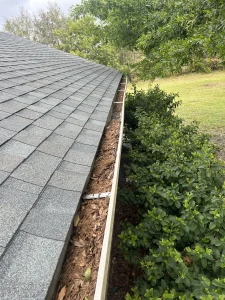
A gutter can look tidy from the ground and still hold a clog. Leaves hide near the outlet, water pools behind them. That’s why we don’t judge gutter cleaning by appearance alone. We want water to travel through the channel, enter the downspout, and leave without backing up.
Where does that water go when the path is blocked? It may spill over the gutter’s edge instead. You might first notice a steady drip where you didn’t expect one. But the spot where water spills isn’t always where debris sits. A clog farther along the channel can hold water back.
We see this mistake often: someone scoops out the visible leaves and stops there. The gutter looks clear, the downspout still holds debris. So the next rain brings back the same overflow. Gutter cleaning isn’t finished until the outlet gets checked too.
What should you look for as the work moves along? Focus on the full path water takes. These are the checks that matter most:
- Check the channel for packed leaves and dirt, especially near the outlet.
- Look inside the outlet opening. A small plug there can hold water back.
- Watch for water spilling over an edge during a gentle flow check.
- Check where the downspout ends. Water should come out instead of backing up.
Those checks tell you more than a clean-looking edge does.
Picture a Davenport home after a spring rain. One corner drips long after the rest of the roof stops shedding water. The owner sees no leaves from the driveway. We’ve found that debris can sit just inside the outlet, out of sight from below. And removing that plug changes how the whole section drains.
We start by removing loose debris instead of washing it into the downspout. That keeps the material from moving to a harder-to-reach spot. Then we check the outlet and follow the water’s path. A clear channel isn’t enough if the outlet stays clogged.
But a flow check needs care. You shouldn’t stand under a ladder or reach beyond its rails. If the roofline is hard to reach, don’t force the job. From the ground, you can still note where water spills during rain. That’s useful information to share when you request gutter cleaning.
For us, the goal is a clear path, not just an empty pile of leaves. If you’d rather have us check that path, our Gutter Cleaning service can help.
Call now about gutter cleaning: (407) 490-9084
Tools You Need Before You Start
Before you start gutter cleaning, lay your tools out on the ground. You’ll spot anything missing before you’re on a ladder. In Davenport, FL, we often find damp leaves tucked into gutter corners. But you don’t need a complicated kit to remove them.
Start with the ladder. It should reach the gutter without forcing you to stretch sideways. Set it on firm, level ground, not on loose soil or a slick walkway. And don’t use a chair or a stack of blocks for extra height. If you can’t place the ladder safely, leave the job for a gutter cleaning crew.
Gather the smaller tools next. You’ll want a way to lift debris, protect your hands, and collect the mess. Put everything you’ll need nearby before you climb.
- Work gloves: Choose a pair that covers your fingers and grips when wet. Gutters can hide sharp edges and rough debris, so don’t reach in barehanded.
- Small plastic scoop: Pick one that fits inside the gutter. It can lift packed leaves without scraping as hard as a metal tool.
- Bucket or yard bag: Keep a container ready for wet debris. The bucket holds what you remove, a tarp below catches what slips.
- Garden hose with a gentle spray setting: You’ll use it to check water flow after debris removal. Skip a hard spray near loose gutter joints.
- Eye protection: Put it on before you work above your head. Bits of dirt can fall when you lift debris.
A tarp under your work area can save cleanup time. We like to place one before opening a full gutter. And keep the debris container where you can reach it without twisting. A scoop lifts the bulk, your gloved hands can handle the small bits.
Have someone nearby if you plan to use a ladder. They can help keep people clear of the area and pass supplies from the ground. But they shouldn’t have to hold a shaky ladder steady while you work. A ladder that won’t sit firmly isn’t ready for use.
One tool people often forget is a clear view of the ground.
Walk the area first. Move hoses and other trip hazards away from the ladder’s feet. After a Davenport rain, we check for soft ground before setting up. And if the ground feels unstable, stop there.
You can gather the right tools and still decide not to climb. That’s a sound choice when the gutter sits too high or the ladder won’t stand securely. Gutter cleaning starts with a safe place to work, not with a scoop in your hand.
Step-by-Step: How to Clean Gutters the Right Way
Good gutter cleaning starts on the ground. Look for loose ladder footing, nearby power lines, and spots you can’t reach safely. Gather gloves, a bucket, a small scoop, and a garden hose before you begin. We like to work in short sections. It keeps the job steady and helps you catch problems before they grow.
Not the roof.
Follow these steps in order. Each one helps you check that water has a clear path.
- Check your setup. Set the ladder on firm, level ground and follow its safety instructions. Keep it away from power lines. The ladder stays in one safe spot, you don’t lean sideways to reach more gutter. Can you reach the next section without stretching? If not, climb down and move the ladder. And if the ladder feels loose, stop and reset it.
- Remove the loose debris. Put on gloves and scoop leaves into your bucket. Start near a downspout, then move along the gutter. Work gently around fasteners and seams. But don’t push a thick clump into the downspout. We often find wet debris packed tightly at that opening. Lift it out instead of forcing it deeper.
- Clear the downspout opening. Pull away any remaining leaves you can reach from the gutter. Keep your hands out of a hidden blockage. If the opening still looks plugged, don’t force a tool down the pipe. And don’t try to clear a blockage from the roof. A hard-to-reach clog is a good reason to stop.
- Rinse one section at a time. Use a gentle stream from a garden hose. Watch where the water goes before moving farther along. The water should run toward the downspout, it shouldn’t spill behind the gutter. But if it pools, check for debris you missed. Don’t aim the hose under roof edges or toward an opening in the house.
- Check the downspout from the ground. Look for water coming out where it should. If little comes through, stop rinsing and check for a blockage. Don’t assume a clear gutter means the downspout is clear. We check both during gutter cleaning because a hidden clog can leave water sitting in the gutter.
- Clean up and look again. Bag the debris rather than washing it across your yard. Then check for leftover clumps, standing water, or drips behind the gutter. A little water may remain near a seam. But a steady drip deserves a closer look. Note anything you couldn’t reach safely instead of taking another risk.
Spring maintenance is a good time to check gutters in Davenport, FL. After a heavy rain, look from the ground for overflow or water that misses the downspout. A Davenport homeowner might clear every visible leaf yet still see water spill at one corner. That can point to debris deeper in the downspout.
No shortcuts.
If you can’t reach a section safely, leave it. You can visit our gutter cleaning page to learn how we handle debris removal in Davenport, FL.
Frequently Asked Questions
How often should Davenport homes get gutters cleaned?
Plan on cleaning Florida gutters at least twice a year, and three to four times if oaks, palms, or pines hang over your roof. Davenport’s heavy spring and summer rain pushes a lot of debris through gutters fast. Homes near wooded lots fill up quicker than homes in open yards. Checking after a big storm helps you catch a clog before it causes an overflow. Regular checks protect your roofline and your home’s foundation.
Why do my gutters still overflow after I scoop out the leaves?
A clog farther down the channel or inside the downspout outlet can hold water back even after the visible leaves are gone. Debris often hides near the outlet opening, out of sight from the ground. The gutter can look clean and still trap water behind a hidden plug. That’s why a flow check with a garden hose matters as much as scooping debris. Watching where water spills tells you more than a clean-looking edge does.
When should I call a professional instead of cleaning gutters myself?
Call a professional when your roofline sits too high for a stable ladder, or when the ground near your home won’t hold a ladder’s feet firmly. Loose soil after a Davenport rain makes ladder setup risky. You should also call out a crew if you spot sagging sections or damaged fasteners you can’t safely check from the ground. Our Gutter Cleaning service checks the full water path, not just the visible debris, so nothing gets missed.
What’s the biggest mistake homeowners make when cleaning gutters?
The biggest mistake is stopping after you scoop out the visible leaves without checking the downspout outlet. A gutter can look tidy and still hold a clog near the exit point. Many people judge the job finished by appearance alone, then face the same overflow after the next rain. A full check means running water through the channel and confirming it exits the downspout freely, not just clearing what you can see.
Does Davenport’s weather make gutter cleaning different from other areas?
Yes, Davenport’s mix of heavy seasonal rain and overhanging trees fills gutters faster than drier climates. Spring storms wash leaves and dirt into channels quickly, and damp debris packs tighter into corners. This moisture also means tools like metal scrapers can scratch softened gutter material more easily. Soft or unstable ground after rain affects ladder safety too. Checking your setup before each cleaning session matters more here than in areas with less rainfall.
What tools do I need before I start cleaning gutters?
You need a properly sized ladder, work gloves, a small plastic scoop, a bucket or yard bag, a garden hose, and eye protection. A tarp under your work area also saves cleanup time. Skip a hard spray near loose gutter joints and avoid metal scoops that can scrape the channel. Having someone nearby to help with supplies adds safety, even though they shouldn’t hold an unstable ladder steady while you work.